

Buy phenylalaninol PAL-329 Cas 16088-07-6
Buy phenylalaninol PAL-329 Cas 16088-07-6
Phenylalaninol (code name PAL-329), or DL-phenylalaninol, also known as phenylmethylethanolamine or as α-(hydroxymethyl)phenethylamine, is a psychostimulant and monoamine releasing agent (MRA) of the phenethylamine family.[1][2] It is related to the amino acid phenylalanine and to the phenethylamine psychostimulants β-phenethylamine (phenylethylamine) and amphetamine (α-methylphenethylamine).[3]
Phenylalaninol is a psychostimulant and selective norepinephrine releasing agent (NRA) or norepinephrine-preferring norepinephrine–dopamine releasing agent (NDRA).[1][2] The EC50Tooltip half-maximal effective concentration values of phenylalaninol for monoamine release are 106 nM for norepinephrine, 1,355 nM for dopamine, and >10,000 nM for serotonin in rat brain synaptosomes.[1] It is dramatically less potent as an MRA than phenethylamine or amphetamine.[1][4] The potency of phenylalaninol in inducing norepinephrine release is 13-fold higher than its potency in inducing dopamine release.[1] Similarly to other dopamine releasers like amphetamine, the drug shows cocaine-like effects and reinforcing properties in rhesus monkeys.[1][2] The much greater potency of phenylalaninol in inducing norepinephrine over inducing dopamine release does not appear to interfere with its dopamine release-mediated reinforcing effects.[1][2]
The clinically used stimulant, wakefulness-promoting agent, and well-balanced norepinephrine–dopamine reuptake inhibitor (NDRI) solriamfetol (brand name Sunosi; O-carbamoyl-D-phenylalaninol) is a derivative of phenylalaninol with a carbamoyl substitution at the hydroxyl group of the molecule.[5] Phenylalaninol is a known impurity in chemical synthesis of solriamfetol.[6]
The predicted log P of phenylalaninol is 0.7 to 0.77 and hence it is relatively hydrophilic.[3][7] The compound appears to be actively transported in the body by some of the same transporters that transport phenylalanine, such as LAT3
DL-PHENYLALANINOL
For research use only. Not for therapeutic Use.
- CAT Number: M078229
- CAS Number: 16088-07-6
- Molecular Formula: C9H13NO
- Molecular Weight: 151.209
- Purity: ≥95%
| CAS Number | 16088-07-6 |
| Molecular Formula | C9H13NO |
| Purity | ≥95% |
| Storage | -20°C |
| IUPAC Name | 2-amino-3-phenylpropan-1-ol |
| InChI | InChI=1S/C9H13NO/c10-9(7-11)6-8-4-2-1-3-5-8/h1-5,9,11H,6-7,10H2 |
| InChIKey | STVVMTBJNDTZBF-UHFFFAOYSA-N |
| SMILES | C1=CC=C(C=C1)CC(CO)N |
16088-07-6
-
-
Basic information
- Product Name: DL-PHENYLALANINOL
- Synonyms: DL-2-AMINO-3-PHENYL-1-PROPANOL;DL-PHENYLALANINOL;PHENYLALANINOL;DL-Phenylalaninol, GC 98%;BENZENEPROPANOL, .BETA.-AMINO-;rac-(R*)-3-Phenyl-2-amino-1-propanol;rac-(βR*)-β-Aminobenzene-1-propanol;DL-2-Amino-3-phenyl-1-propanol,98%
- CAS NO:16088-07-6
- Molecular Formula: C9H13NO
- Molecular Weight: 151.21
- EINECS: 221-674-4
- Product Categories: Pharmaceutical Intermediates
- Mol File: 16088-07-6.mol
-
Chemical Properties
- Melting Point: 64-72 °C
- Boiling Point: 130°C/3mmHg(lit.)
- Flash Point: 137.5 °C
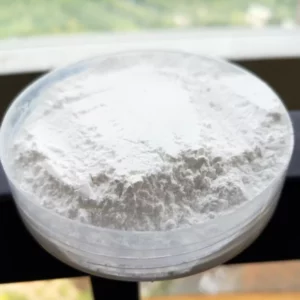
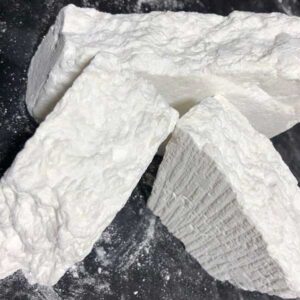
- Appearance: White to light yellow/Crystalline Powder and Chunks
- Density: 1.077 g/cm3
- Vapor Pressure: 0.0004mmHg at 25°C
- Refractive Index: N/A
- Storage Temp.: Keep in dark place,Inert atmosphere,Store in freezer, under -20°C
- Solubility: N/A
- PKA: 12.85±0.10(Predicted)
- CAS DataBase Reference: DL-PHENYLALANINOL(CAS DataBase Reference)
- NIST Chemistry Reference: DL-PHENYLALANINOL(16088-07-6)
- EPA Substance Registry System: DL-PHENYLALANINOL(16088-07-6)
-
Safety Data
- Hazard Codes: C
- Statements: 34
- Safety Statements: 45-36/37/39-26
- RIDADR: 3259
- WGK Germany:
- RTECS:
- HazardClass: 8
- PackingGroup: Ⅲ
- Hazardous Substances Data: 16088-07-6(Hazardous Substances Data)
16088-07-6 Suppliers
16088-07-6 Usage
Uses
Used in Pharmaceutical Industry:
DL-PHENYLALANINOL is used as an anti-ulcer agent for its ability to inhibit ulcer formation in rats. This is primarily achieved through the central inhibition of gastric acid secretion, which can be beneficial in the development of treatments for gastrointestinal conditions.
Used in Research Applications:
DL-PHENYLALANINOL may also be utilized in research settings to study the mechanisms of gastric acid secretion and the development of ulcers. This can contribute to a better understanding of gastrointestinal health and the development of new therapeutic strategies.
Check Digit Verification of cas no
The CAS Registry Mumber 16088-07-6 includes 8 digits separated into 3 groups by hyphens. The first part of the number,starting from the left, has 5 digits, 1,6,0,8 and 8 respectively; the second part has 2 digits, 0 and 7 respectively.
Calculate Digit Verification of CAS Registry Number 16088-07:
(7*1)+(6*6)+(5*0)+(4*8)+(3*8)+(2*0)+(1*7)=106
106 % 10 = 6
So 16088-07-6 is a valid CAS Registry Number.
16088-07-6 Well-known Company Product Price
16088-07-6SDS
SAFETY DATA SHEETS
According to Globally Harmonized System of Classification and Labelling of Chemicals (GHS) – Sixth revised edition
Version: 1.0
Creation Date: Aug 10, 2017
Revision Date: Aug 10, 2017
1.Identification
1.1 GHS Product identifier
| Product name | 2-Amino-3-Phenyl-1-Propanol |
|---|
1.2 Other means of identification
| Product number | – |
|---|---|
| Other names | DL-Phenylalaninol |
1.3 Recommended use of the chemical and restrictions on use
| Identified uses | For industry use only. |
|---|---|
| Uses advised against | no data available |
1.4 Supplier’s details
1.5 Emergency phone number
| Emergency phone number | – |
|---|---|
| Service hours | Monday to Friday, 9am-5pm (Standard time zone: UTC/GMT +8 hours). |
More Details:16088-07-6 SDS
16088-07-6Upstream product
- 4134-09-2ethyl N-acetyl-DL-phenylalaninate
- 18315-86-1Z-β-ethoxycarbonyl-β-nitrostyrene
- 1795-96-6phenylalanine ethyl ester
- 36960-03-92-oxo-3-phenylpropyl acetate
- 100-46-9benzylamine
- 64-17-5ethanol
- 6943-96-0ethyl 2-(hydroxyimino)-3-phenylpropanoate
- 5619-07-8methyl 2-amino-3-phenylpropanoate hydrochloride
- 303727-83-5(-)-(R)-4-benzyl-3-((2R,3S,4S)-3-hydroxy-5-((4-methoxybenzyl)oxy)-2,4-dimethylpentanoyl)oxazolidin-2-one
- 104-54-13-Phenylpropenol
- 3182-93-2(L)-phenylalanine ethyl ester hydrochloride
- 1566600-08-5[1-benzyl-2-(tert-butyl-dimethylsilanyloxy)ethyl]-(4-methoxyphenyl)amine
- 150-30-1Phenylalanine
- 13292-87-0dimethyl sulfide borane
16088-07-6Downstream Products
- 765887-92-11-bromomethyl-2-phenyl-ethylamine
- 1086250-15-82-acetamido-3-phenylpropanol acetate
- 20826-32-82-(2,4-dinitro-anilino)-3-phenyl-propan-1-ol
- 102592-65-42-benzoylamino-1-benzoyloxy-3-phenyl-propane
- 91427-72-4dichloro-acetic acid-(1-hydroxymethyl-2-phenyl-ethylamide)
- 140145-71-71-(1-Benzyl-2-hydroxyethyl)-pyrrolidin
- 86886-21-7(E)-(+/-)-N-(1-hydroxy-3-phenyl-2-propyl)-3-(2,4-dihydroxy-6-methyl-5-pyrimidinyl)-2-propenamide
- 93684-43-64,5-dihydro-2-(2-phenylethyl)-4-(phenylmethyl)oxazole
- 1027519-47-6((R)-1-{[(1S,2S)-1-(1-Hydroxymethyl-2-phenyl-ethylcarbamoyl)-2-methyl-butylamino]-methyl}-2-tritylsulfanyl-ethyl)-carbamic acid tert-butyl ester
- 19071-59-1DL-N-Aethoxycarbonyl-2-amino-3-phenyl-propanol; dl-(α-Hydroxymethyl-phenaethyl-carbaminsaeureaethylester)
- 131744-19-94-benzyloxazolidine-2-thione
- 145149-48-0tert-butyl 1-hydroxy-3-phenylpropan-2-ylcarbamate
- 344359-38-22-(1-hydroxymethyl-2-phenyl-ethylamino)-1-phenyl-ethanone
- 92265-06-0N-(1-hydroxy-3-phenylpropan-2-yl)benzamide
16088-07-6Relevant academic research and scientific papers
Direct Access to Primary Amines from Alkenes by Selective Metal-Free Hydroamination
Du, Yi-Dan,Chen, Bi-Hong,Shu, Wei
supporting information, p. 9875 – 9880 (2021/03/29)
Direct and selective synthesis of primary amines from easily available precursors is attractive yet challenging. Herein, we report the rapid synthesis of primary amines from alkenes via metal-free regioselective hydroamination at room temperature. Ammonium carbonate was used as ammonia surrogate for the first time, allowing for efficient conversion of terminal and internal alkenes into linear, α-branched, and α-tertiary primary amines under mild conditions. This method provides a straightforward and powerful approach to a wide spectrum of advanced, highly functionalized primary amines which are of particular interest in pharmaceutical chemistry and other areas.
Nucleophilic RhI Catalyzed Selective Isomerization of Terminal Aziridines to Enamides
Tian, Yingying,Kunz, Doris
, p. 4272 – 4275 (2020/07/04)
The selective isomerization of various terminal N-Boc protected aziridines to enamides was realized using the highly reactive nucleophilic rhodium catalyst C with the Lewis acid LiNTf2 as co-catalyst under moderate conditions. The reaction proceeds smoothly with only 1 molpercent catalyst loading and excellent yields were achieved. An intermediate containing an enamide with a non-conjugated terminal C=C double bond was detected during the course of the reaction, which isomerizes to form the thermodynamically favored 2-amido styrene. Mechanistic insight is gained based on these observations.
Regioselective Fluorination of α-Hydroxy-β-aminophosphonates by Using PyFluor
Ka?mierczak, Marcin,Kubicki, Maciej,Koroniak, Henryk
, p. 3844 – 3852 (2018/07/31)
We report a simple protocol for the synthesis of α-fluoro-β-aminophosphonates by the regioselective fluorination of α-hydroxy-β-aminophosphonates under mild conditions. The fluorination reactions were mediated by the PyFluor reagent and occurred with the retention of configuration. The main products of this reaction were a series of α-fluoro-β-aminophosphonates, which can be used as precursors in the preparation of medicinally important compounds (e.g., dipeptide analogues).
Ligand, metal complex containing ligand, and reaction using metal complex containing ligand
–
Page/Page column 46-50, (2016/10/31)
A hydrogen transfer reaction may be more efficiently promoted by using a metal complex represented by Formula (2): (wherein, R1 to R8 are the same or different, and each represents a hydrogen atom, a substituted or unsubstituted alkyl group or the like; or wherein; R1 and R2, R2 and R3, R3 and R4, R4 and R5, and R5 and R6 are respectively bonded to each other to form a bivalent hydrocarbon group; R9 are the same or different, and each represents an alkyl group or cycloalkyl group; M is ruthenium (Ru) or the like; X is a ligand; and n is 0, 1 or 2). More specifically, the metal complex enables a hydrogenation reaction of various substrates having a stable carbonyl group or the like to be advanced with a high yield under mild conditions.
Probing o-diphenylphosphanyl benzoate (o-DPPB)-directed C – C bond formation: Total synthesis of dictyostatin
Wünsch, Sebastian,Breit, Bernhard
supporting information, p. 2358 – 2363 (2015/02/05)
Herein, we report a robust total synthesis of dictyostatin. This polyketide natural product has attracted much attention because of its impressive antiproliferative activity against several human cancer-cell lines. We accomplished its synthesis in a highly convergent manner from three fragments of equal complexity, which were prepared on multigram scale. The southern and northwestern subunits were constructed through application of our o-DPPB-directed hydroformylation and allylic substitution methodology, respectively. These methods generated the C6 and C14 stereocenters of dictyostatin with good diastereoselectivities and simultaneously allowed further elaboration of the fragments by Wittig olefination and Sharpless asymmetric epoxidation, respectively. The compelling performance of the hydroformylation and allylic substitution with regard to practicability, selectivity, and scale underline their value for the construction of propionate motifs.
N-substituted benzenepropanamide or benzenepropenamide derivatives for use in the treatment of pain and inflammation
–
Page/Page column 8; 9, (2015/12/17)
Compounds for use in the treatment or prophylaxis of pain, including acute and chronic pain (e.g., nociceptive pain, neuropathic pain, headaches, migraine), represented by general formula (I) in which: the dotted line represents a single or a double bond; and R5 and R5′ are independently —H, —OH or —OR6, where R6 is a linear or branched C1-C4 alkyl; X is -0-, —CH2O—, —CH2CH2O—, —CH(CH3)CH2O— or —CH2CH(CH3)O—; Z is —CH2CH2O—, —CH(CH3)CH2O— or —CH2CH(CH3)O—; m is an integer of O or 1; and n is an integer of 0-50. The compounds of the invention are also effective for reducing inflammation and may be used alone or in combination with other analgesics.
N-Substituted Benzenepropanamide and Benzenepropenamide For Use in the Prevention or the Treatment of Affective Disorders
–
Paragraph 0081-0084, (2014/09/30)
Compounds for use in the treatment or prophylaxis of an affective disorder, which compound is represented by formula I in which the dotted line represents a single or a double bond; and R5 and R5′ are independently —H, —OH or —OR6, where R6 is a linear or branched C1-C4 alkyl; X is —CH2O—; Z is —CH2OH2O—, —CH(CH3)CH2O— or —CH2CH(CH3)O—; m is 1; and n is an integer of 1-5; or a pharmaceutically acceptable salt, prodrug, metabolite, or hydrate thereof.
Bis(amidate)bis(amido) titanium complex: A regioselective intermolecular alkyne hydroamination catalyst
Yim, Jacky C.-H.,Bexrud, Jason A.,Ayinla, Rashidat O.,Leitch, David C.,Schafer, Laurel L.
, p. 2015 – 2028 (2014/04/03)
An efficient and selective bis(amidate)bis(amido) titanium precatalyst for the anti-Markovnikov hydroamination of alkynes is reported. Hydroamination of terminal and internal alkynes with primary alkylamines, arylamines, and hydrazines is promoted by 5-10 mol % of Ti catalyst. Various functional groups are tolerated including esters, protected alcohols, and imines. The in situ generated complex shows comparable catalytic activity, demonstrating its synthetic versatility for benchtop application. Applications of this catalyst for the synthesis of amino alcohols and a one-pot procedure for indole synthesis are described. A mechanistic proposal that invokes turnover-limiting protonolysis is presented to rationalize the observed regioselectivities.
N- SUBSTITUTED BENZENEPROPANAMIDE AND BENZENEPROPENAMIDE FOR USE IN THE PREVENTION OR THE TREATMENT OF AFFECTIVE DISORDERS
–
Page/Page column 23, (2013/04/10)
Compounds for use in the treatment or prophylaxis of an affective disorder, which compound is represented by formula I in which the dotted line represents a single or a double bond; and R5 and R5′ are independently -H, -OH or -OR6, where R6 is a linear or branched C1-C4 alkyl; X is -CH2O-; Z is -CH2ΟΗ2O-,-CH(CH3)CH2O- or -CH2CH(CH3)O-; m is 1; and n is an integer of 1-5; or a pharmaceutically acceptable salt, prodrug, metabolite, or hydrate thereof.
METHOD FOR PRODUCING ALCOHOL BY HYDROGENATING LACTONE AND CARBOXYLIC ACID ESTER IN LIQUID PHASE
–
Page/Page column 16, (2010/01/29)
Disclosed is a method for producing an alcohol from a lactone or a carboxylic acid ester, which enables to produce an alcohol from a lactone or a carboxylic acid ester under relatively mild conditions with high yield and high catalytic efficiency. This method also enables to produce an optically active alcohol from an optically active lactone or an optically active carboxylic acid ester. Specifically disclosed is a method for producing an alcohol by hydrogen reducing a lactone or a carboxylic acid ester in the presence of a catalyst containing ruthenium and a phosphine compound represented by the following general formula (1): wherein R1 represents a spacer; R2, R3, R4, R5, R6 and R7 independently represent a hydrogen atom, an alkyl group having 1-12 carbon atoms, an aryl group or a heterocyclic group; and R8, R9, R10, R11, R12 and R13 independently represent an alkyl group having 1-12 carbon atoms, an aryl group or a heterocyclic group.
Reviews
There are no reviews yet.